Schedule an appointment with our office now. We look forward to meeting you!
Contact Us
Call or send us an email today! Our staff will respond as soon as possible.
Are You Tired of
Wearing Glasses
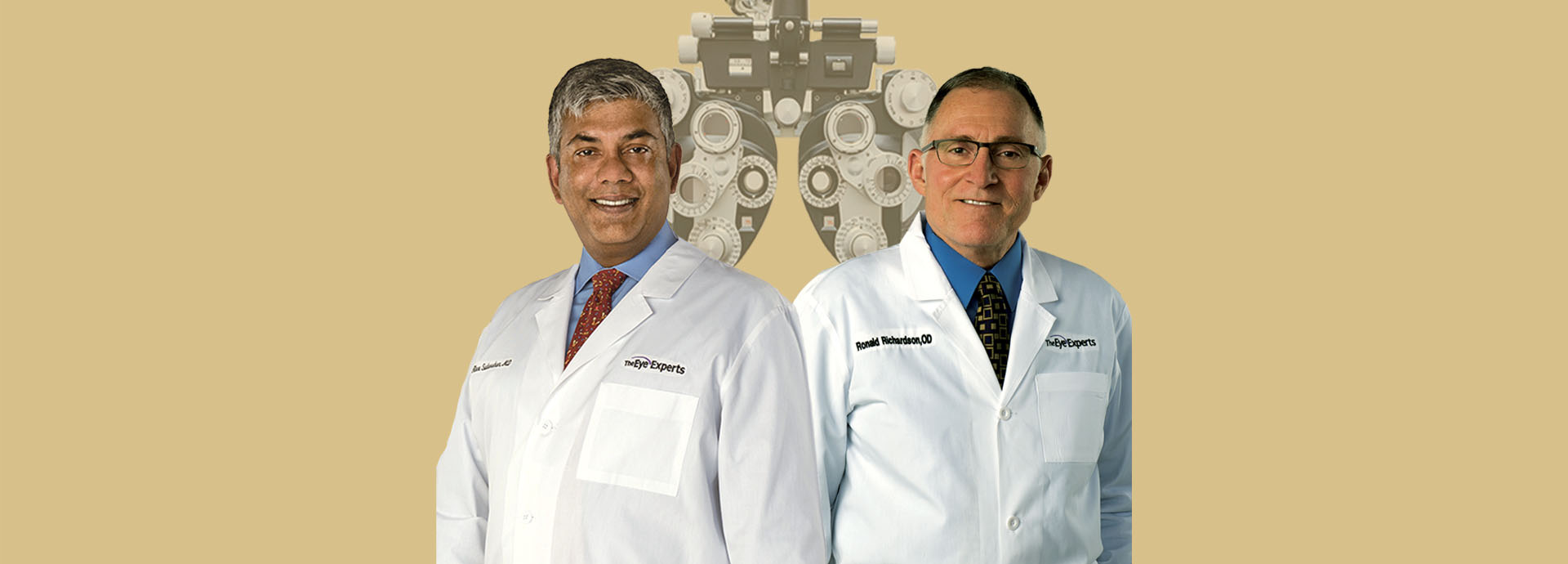
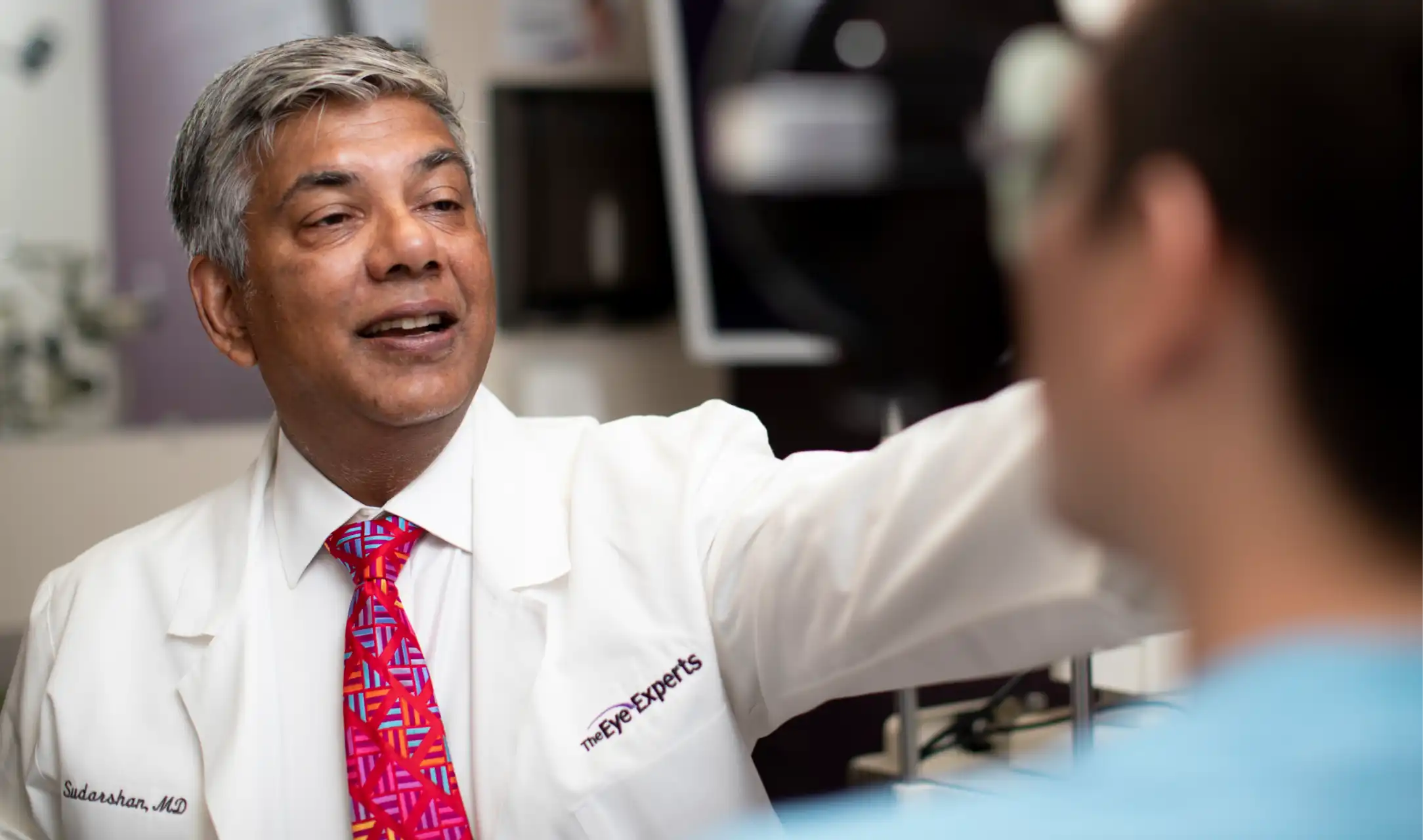
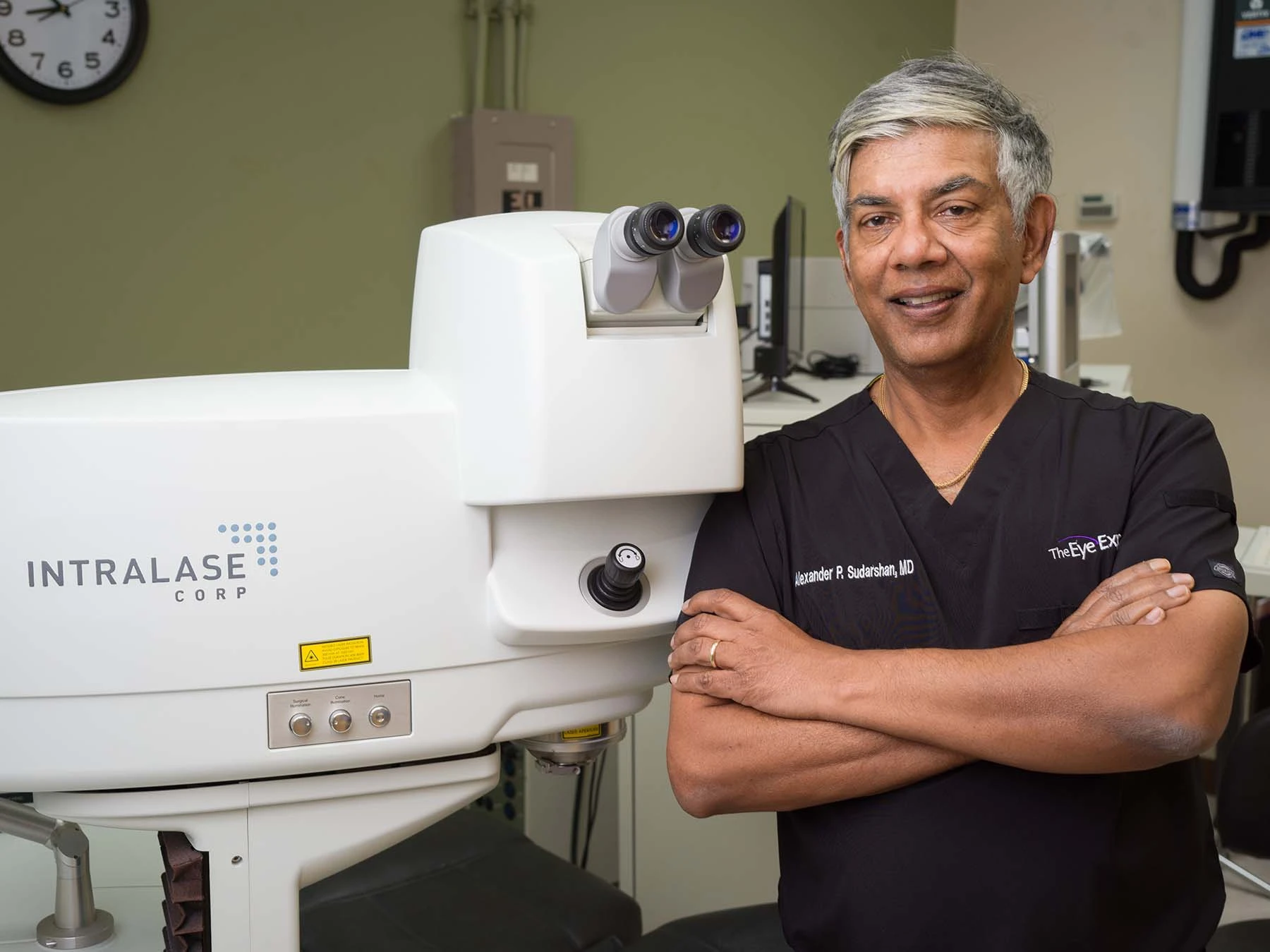
We know what it takes to make your vision better. Dr. Sudarshan is a board-certified ophthalmologist with over 25 years of experience and more than 15 years using advanced LASIK eye surgery technology. We’ve helped hundreds of people improve their vision, reduce dependence on glasses, and achieve clearer sight without sacrificing safety!
Visualize a life free from the hassles and costs associated with eyeglasses. Have confidence knowing our experts will provide top-rate care every step of the way so you can finally see clearly again. Say goodbye to frequent eye exams and uncomfortable frames while enjoying the benefits of a skilled eye doctor.
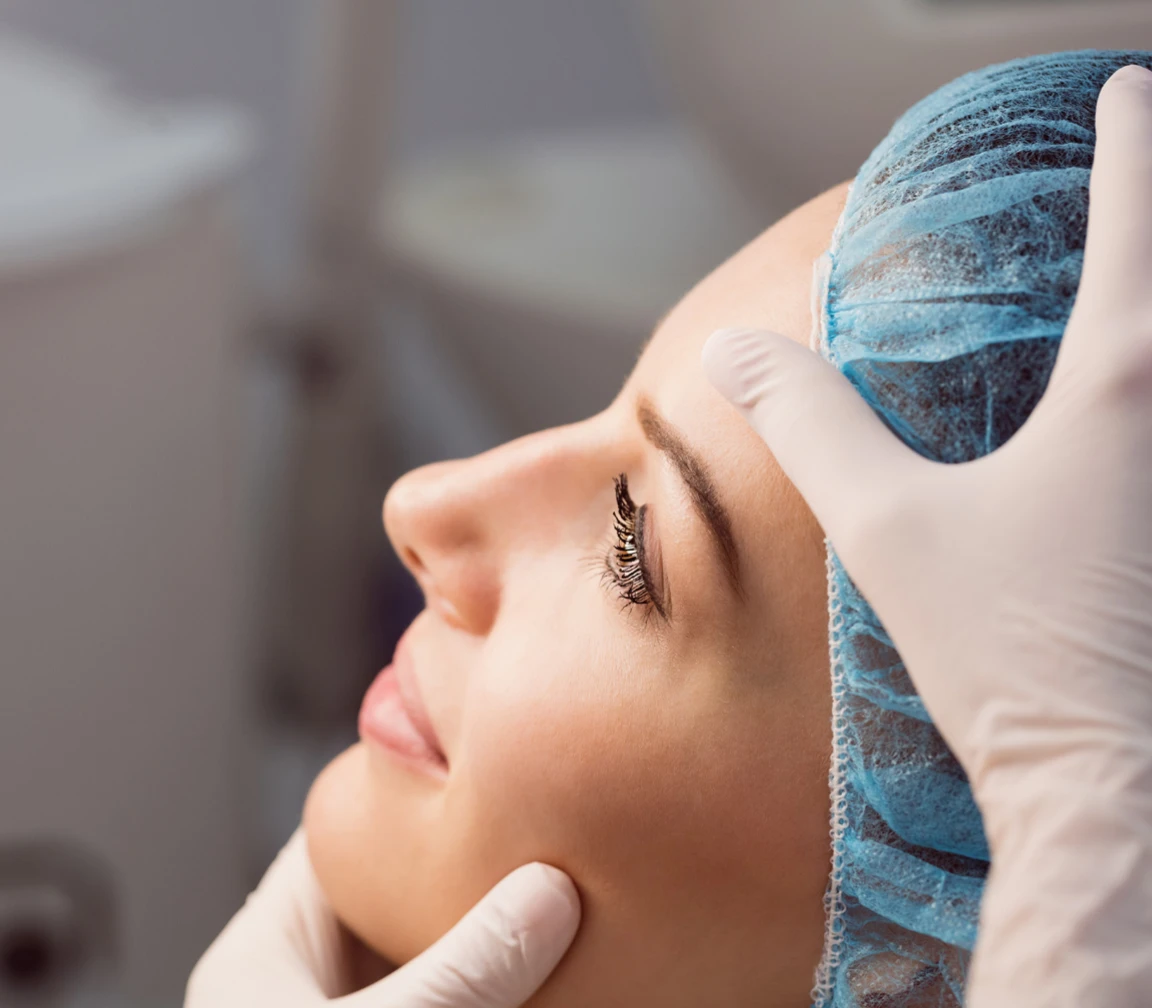
Looking for the best eye doctor or an ophthalmologist near me? You’re in the right place. Our team delivers expert care with state-of-the-art LASIK eye surgery, ensuring safe, effective, and fast results.
Whether you’re searching for an eye doctor near me, an experienced optometrist, or a trusted ophthalmologist, The Eye Experts are here to help you achieve your best vision safely and effectively.
We are a Patient-Centered Practice. That’s why we continuously improve our efforts to provide short wait times, better eye care, and better vision results.
Do you have any questions?
The Eye Experts is ready to take your questions through phone or message. Talk to one of our experts now!
Was seen quickly and they were very efficient. Great experience all around
Posted on
Noemi Garza
06/06/2024
Despite the fact that I was on a wheelchair your staff &you were able to work with me & make feel welcome.
Posted on
Laura nieto
06/06/2024
Muy profecionles y muy Mables
Posted on
Sheryl Salazar
05/06/2024
I can’t say enough about the respect I have for Dr Sudarshan. He’s a wonderful doctor. He treats everyone with respect and kindness. Such a pleasure to be his patient. Rarely do you find a doctor that meets all your expectations. He does. Thank you Dr Sudarshan!
Posted on
Anita Galarza
03/06/2024
El Dr. Sudarshan excelente medico y su personal muy amable y profesional. Estoy muy agradecida por todas sus atenciones.
Contact Our Clinic
We would love to hear from you. You can send us a note, call us directly, or use the directions map below to come by our locations in both Brownsville and in Weslaco.